L’INGV per lo studio della crisi sismica alle Cicladi meridionali (Grecia) – The INGV contribution to study the recent seismic crisis in the South Cyclades (Greece)

di Alessandro Bonforte e Athanassios Ganas

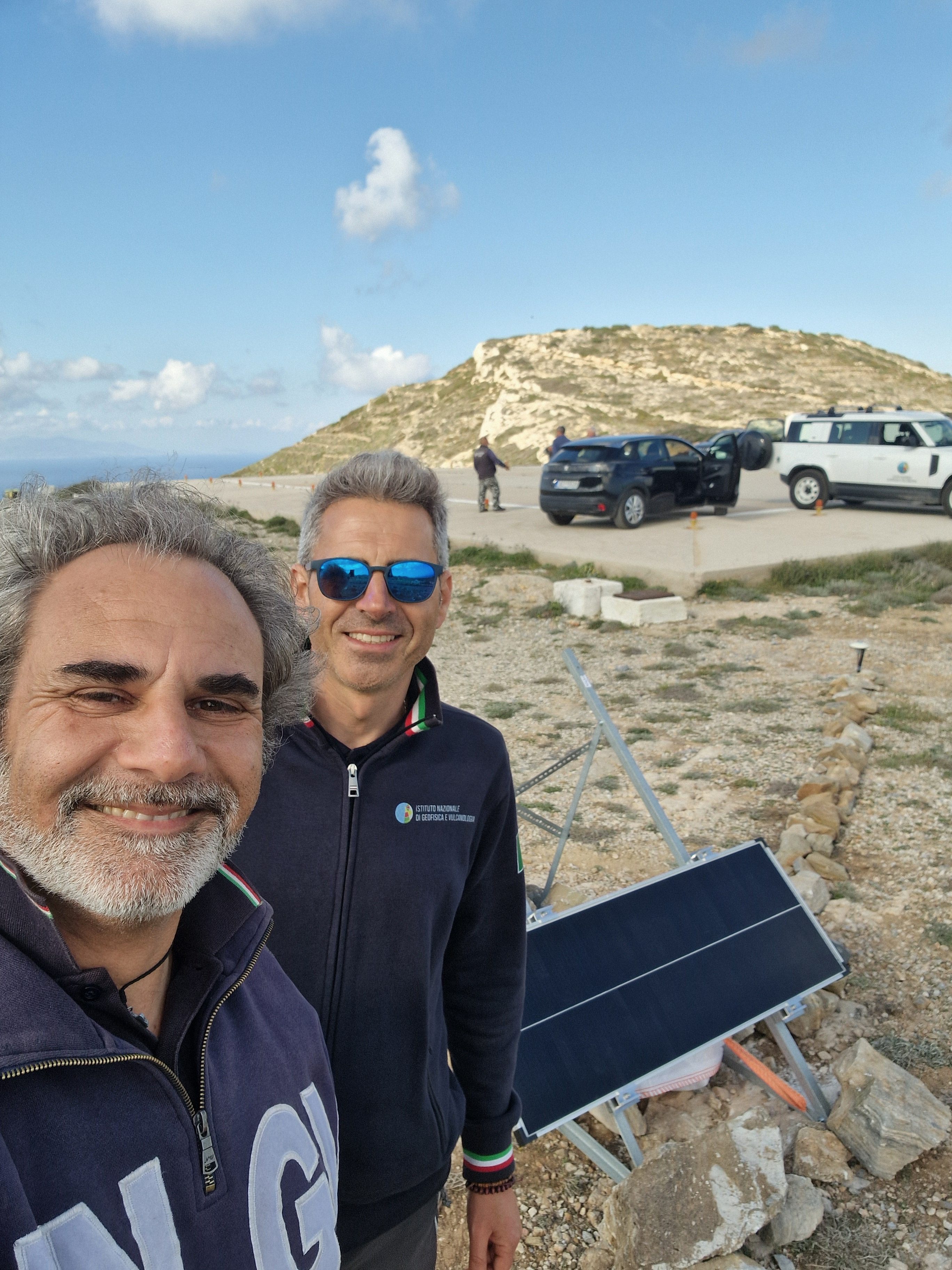
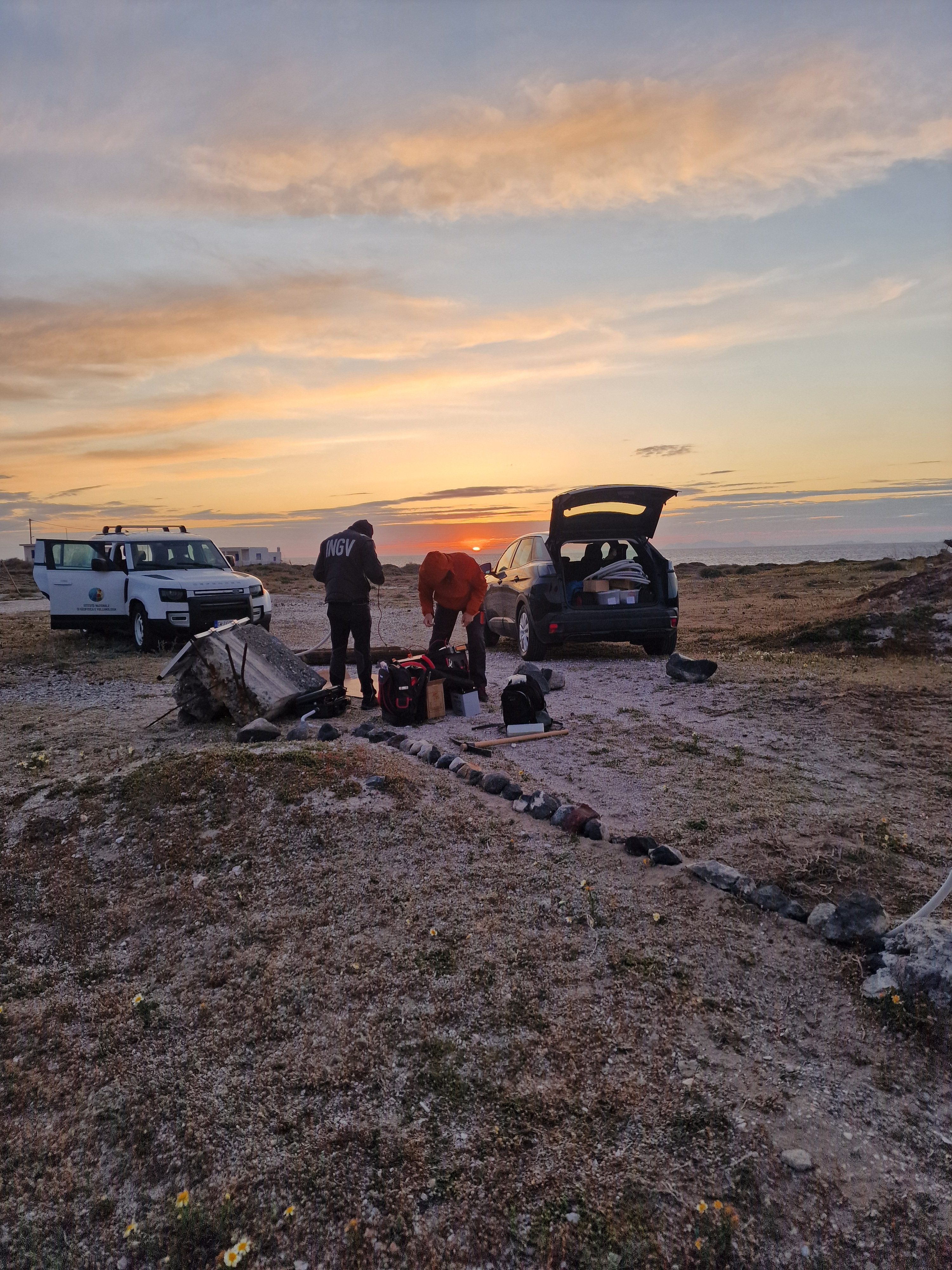
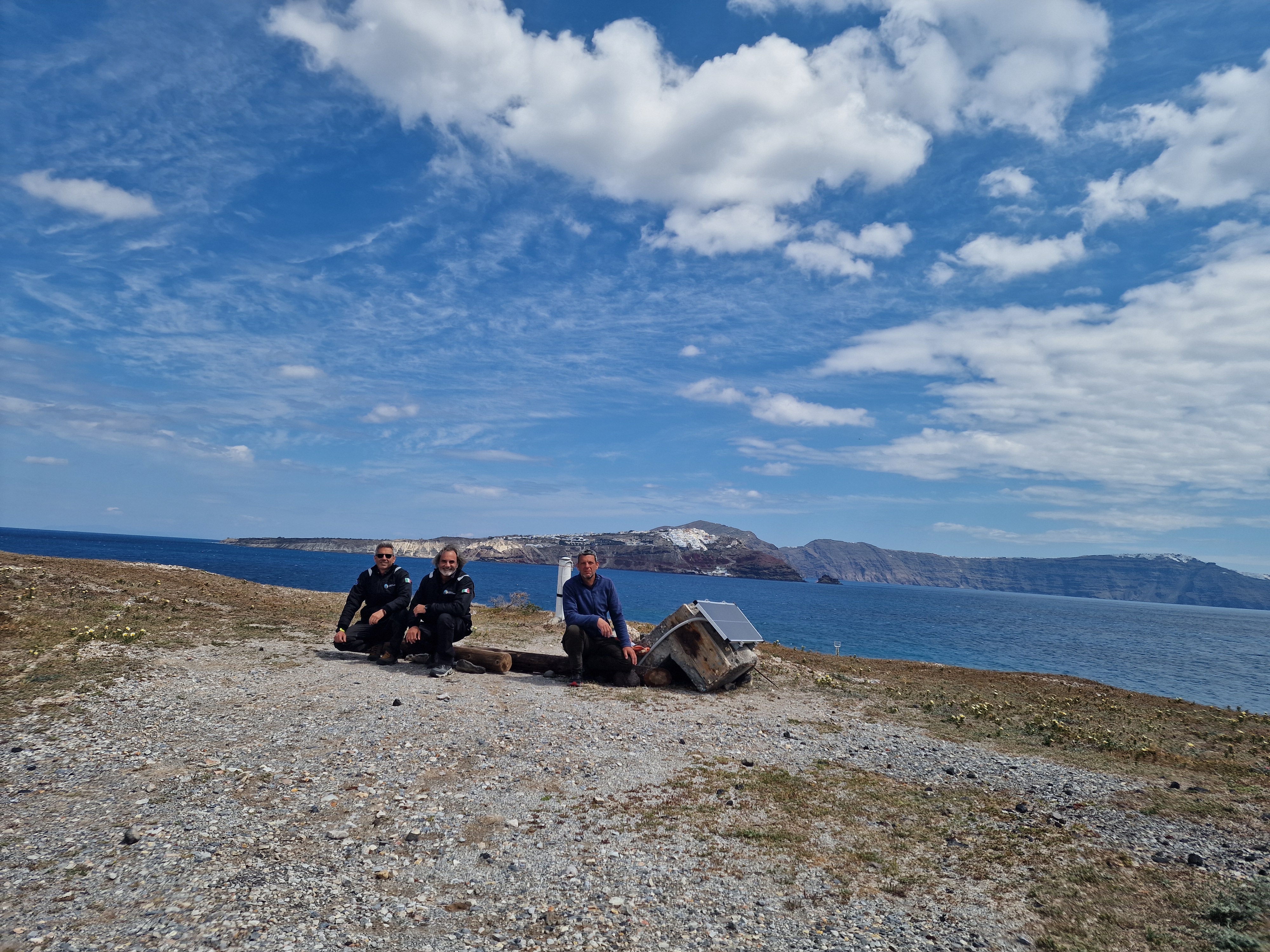
La spedizione INGV alle Cicladi meridionali (Grecia), per l’installazione di 4 stazioni GNSS (Global Navigation Satellite System) permanenti dedicate allo studio e al monitoraggio delle deformazioni del suolo, è stata completata con il posizionamento dell’ultima stazione sull’isola di Thirasia, che fa parte dell’edificio vulcanico di Santorini. Questa attività fa parte di una collaborazione internazionale, coordinata dal National Observatory of Athens (NOA) greco, che vede coinvolto anche il Centre National de la Recherche Scientifique (CNRS) francese, e l’Earthquake Planning and Protection Organization (EPPO) greco. I sensori GNSS sono stati installati sulle isole di Amorgos, Iraklia, Sikinos e Thirasia. Questa nuova infrastruttura si integra e infittisce la rete GNSS intorno al vulcano di Santorini e all’area interessata dalla recente crisi sismica (https://ingvterremoti.com/2025/02/05/i-terremoti-a-santorini-isole-cicladi-grecia-febbraio-2025/).

The Italian National Geophysics and Volcanology Institute (INGV) mission in the South Cyclades (Greece) for the installation of 4 permanent GNSS stations for monitoring and studying ground deformations was completed with the last installation in the island of Thirasia, part of the Santorini volcano. This activity is part of an international collaboration coordinated by the Greek National Observatory of Athens (NOA) with the French Centre National de la Recherche Scientifique (CNRS) and the Greek Earthquake Planning and Protection Organization (EPPO). The INGV stations were installed on the islands of Amorgos, Iraklia, Sikinos and Thirasia and the new infrastructure will integrate and densify the GNSS network around the Santorini volcano area affected by the recent seismic crisis (https://ingvterremoti.com/2025/02/05/i-terremoti-a-santorini-isole-cicladi-grecia-febbraio-2025/).
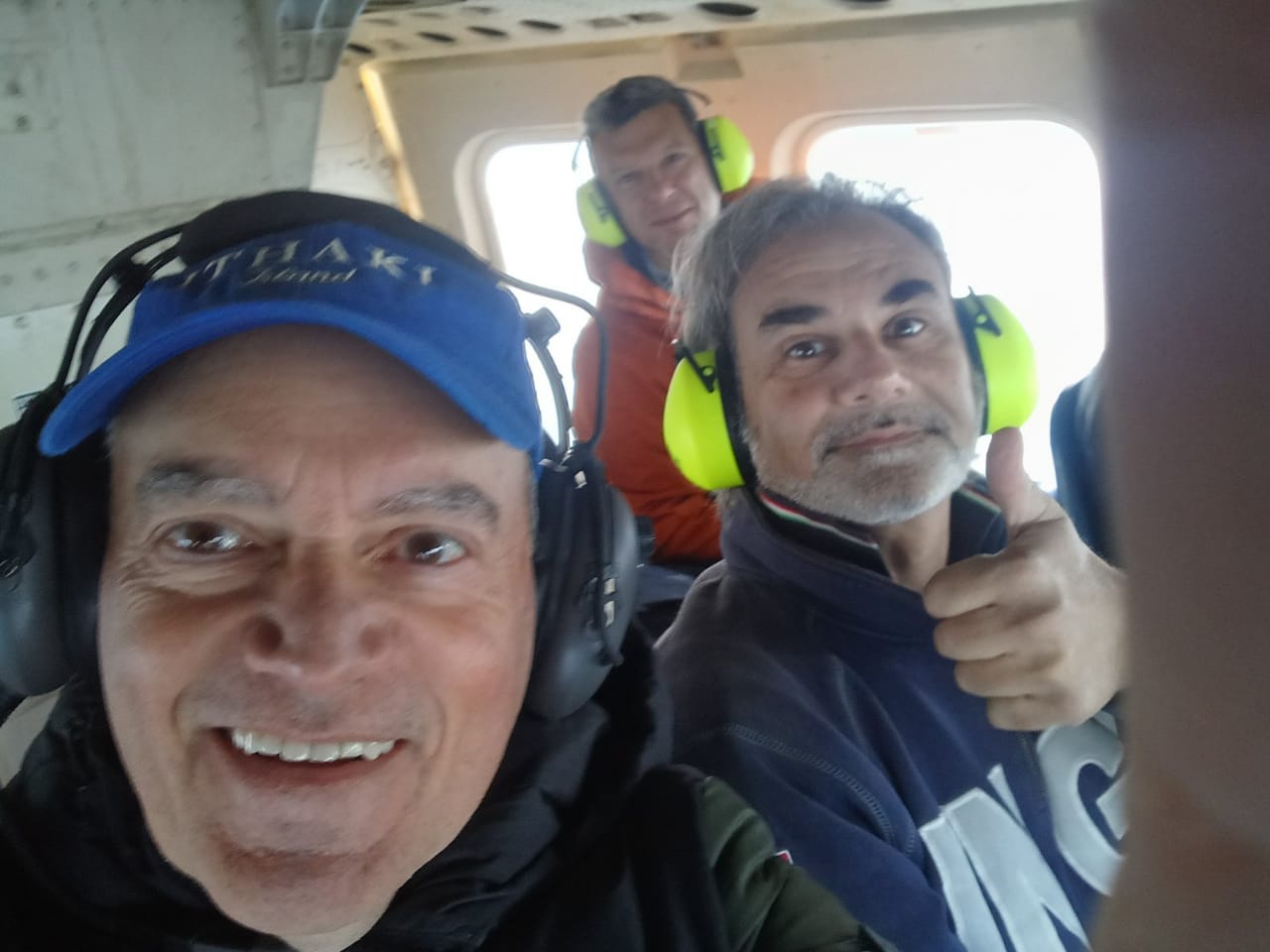
Fig. 1: Mappa delle stazioni GNSS – Maps of the GNSS stations
Fig. 2: Il team NOA-INGV al temine della prima installazione, sull'isola di Amorgos - The NOA-INGV team at the end of the first installation, on the island of Amorgos.
Fig. 2: Il team NOA-INGV al temine della prima installazione, sull’isola di Amorgos – The NOA-INGV team at the end of the first installation, on the island of Amorgos.
Fig. 3: Sull'elicottero che da Amorgos ha portato il team ad Iraklia, per installare la seconda stazione GNSS - The team moved from Amorgos to Iraklia by helicopter to install the second GNSS station
Fig. 3: Sull’elicottero che da Amorgos ha portato il team ad Iraklia, per installare la seconda stazione GNSS – The team moved from Amorgos to Iraklia by helicopter to install the second GNSS station
Fig. 4: La stazione GNSS installata ad Iraklia alla fine del lavoro - The GNSS station installed at Iraklia.
Fig. 4: La stazione GNSS installata ad Iraklia alla fine del lavoro – The GNSS station installed at Iraklia.
Fig. 5: Il team NOA-INGV, con l'equipaggio dell'elicottero ed il sindaco di Iraklia - The NOA-INGV team with the helicopter crew and the mayor of Iraklia.
Fig. 5: Il team NOA-INGV, con l’equipaggio dell’elicottero ed il sindaco di Iraklia – The NOA-INGV team with the helicopter crew and the mayor of Iraklia.
Fig. 6: Il team INGV alla fine dell'installazione della strumentazione a Sikinos - The INGV team at the end of instruments installation at Sikinos
Fig. 6: Il team INGV alla fine dell’installazione della strumentazione a Sikinos – The INGV team at the end of instruments installation at Sikinos
Fig. 7: Stazione GNSS di Sikinos. Il team NOA-INGV al completo, con il Sindaco dell'isola - The GNSS station at Sikinos. The entire NOA-INGV team with the major of Sikinos.
Fig. 7: Stazione GNSS di Sikinos. Il team NOA-INGV al completo, con il Sindaco dell’isola – The GNSS station at Sikinos. The entire NOA-INGV team with the major of Sikinos.
Fig. 8: Sì lavora fin ben oltre il tramonto per completare l'installazione a Thirasia - Working after dark to complete the installation in Thirasia
Fig. 8: Sì lavora fin ben oltre il tramonto per completare l’installazione a Thirasia – Working after dark to complete the installation in Thirasia
Fig. 9: La stazione di Thirasia quasi ultimata - The Thirasia station almost completely installed.
Fig. 9: La stazione di Thirasia quasi ultimata – The Thirasia station almost completely installed.
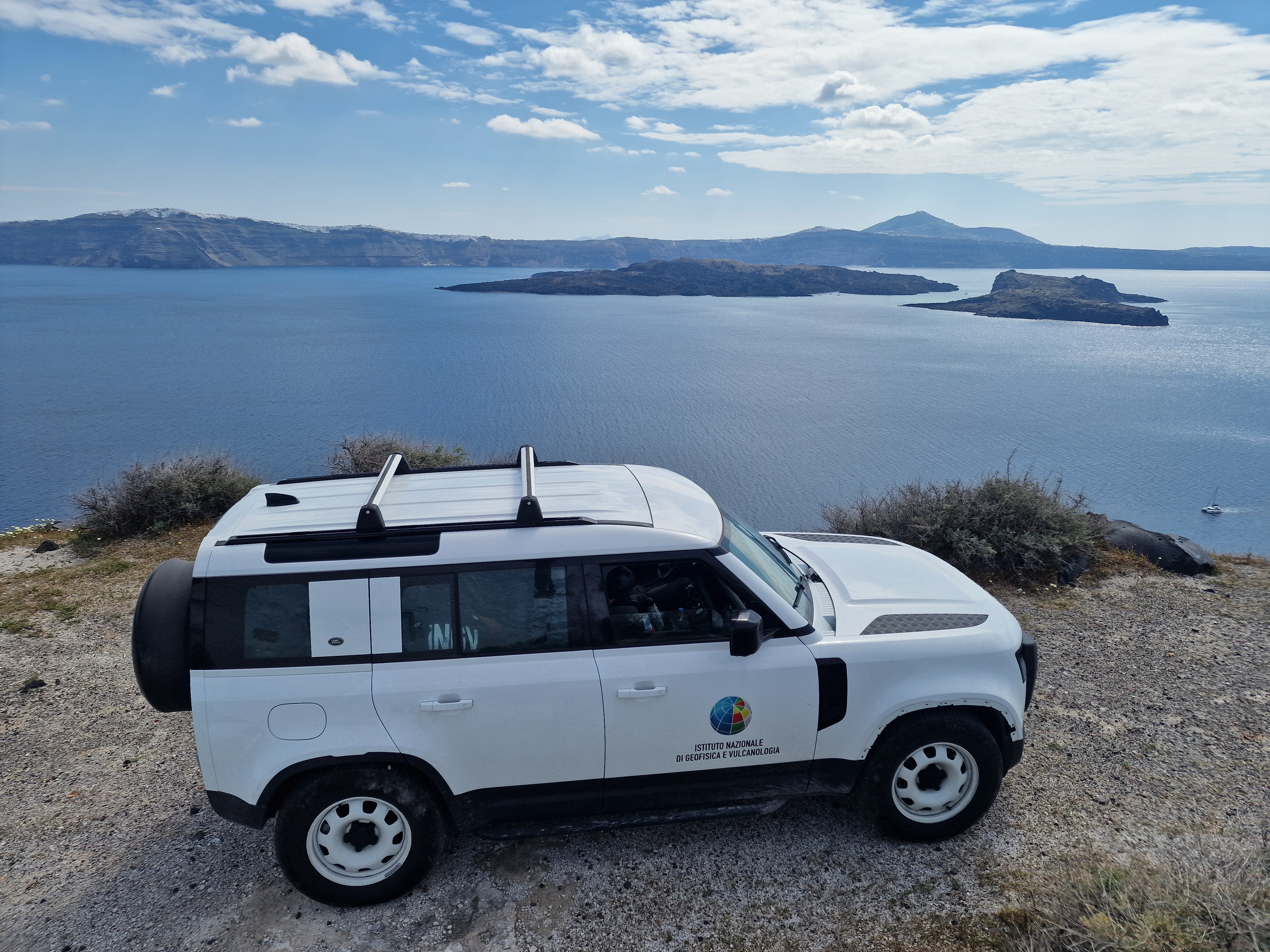
Fig. 10: L'imponente caldera di Santorini sullo sfondo - The imposing Santorini caldera in the background
Fig. 10: L’imponente caldera di Santorini sullo sfondo – The imposing Santorini caldera in the background
Fig. 11: Ultimo controllo mattutino alla stazione di Thirasia, installata la sera precedente... al buio - Last morning check at Thirasia station, installed the night before... in the darkness
Fig. 11: Ultimo controllo mattutino alla stazione di Thirasia, installata la sera precedente… al buio – Last morning check at Thirasia station, installed the night before… in the darkness

Scopri di più da INGVvulcani

Abbonati ora per continuare a leggere e avere accesso all'archivio completo.

Continua a leggere